

Recent Post

New Managing Director for HYAB Magneter AB

Chinese New Year 2027 - Secure your deliveries!
The Difference Between Pull Force, Holding Force, and Shear Force – A Common Misconception

Magnet components – the unsung hero of the green transition
How do you choose the perfect magnetic strength for your application?
Follow us


Strengthen the magnet’s endurance with the right coating
Published: 2026-01-28 13:31:52 • Daniel Gårdefelt
Magnets have many different properties, which we discussed in the article on different types of magnets, but also in the article on the heat resistance of different magnets. One thing that is described there is the strengths and weaknesses of the different types, where neodymium magnets are characterised by their magnetic strength, which has made the material one of the more popular ones. However, they are also characterised by their sensitivity to high temperatures, moisture and other harsh environments – which can be prevented with the right coating.
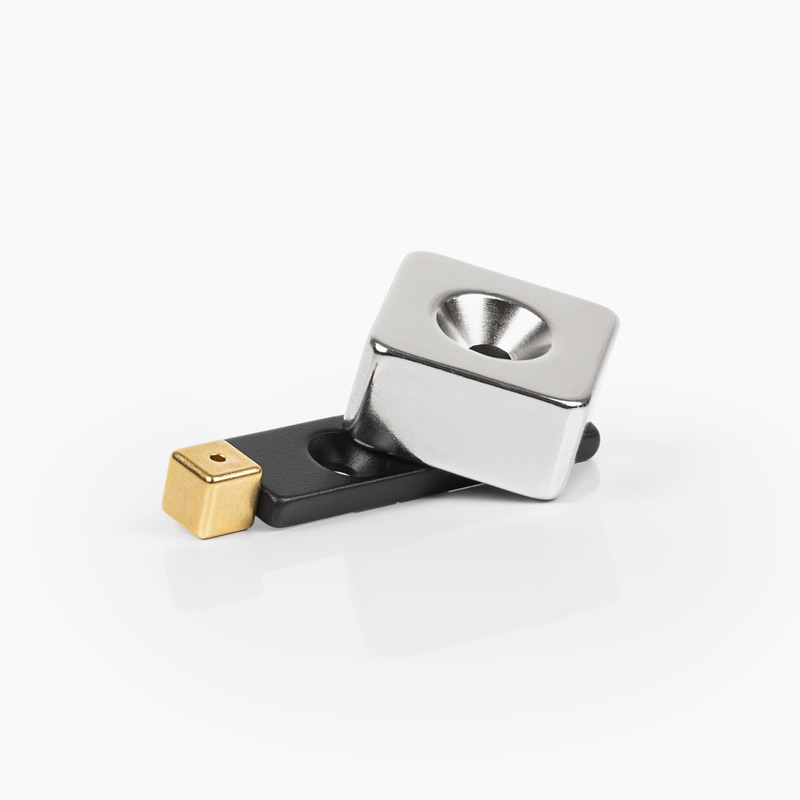
One of the more common coatings is nickel-copper-nickel (Ni-Cu-Ni):
+ Protects against moisture and minor corrosion
+ Maintains the hard surface of the magnet
+Significantly extends service life, especially in indoor environments
- Less effective in environments where the magnet may be exposed to salt, acids or harsh outdoor conditions
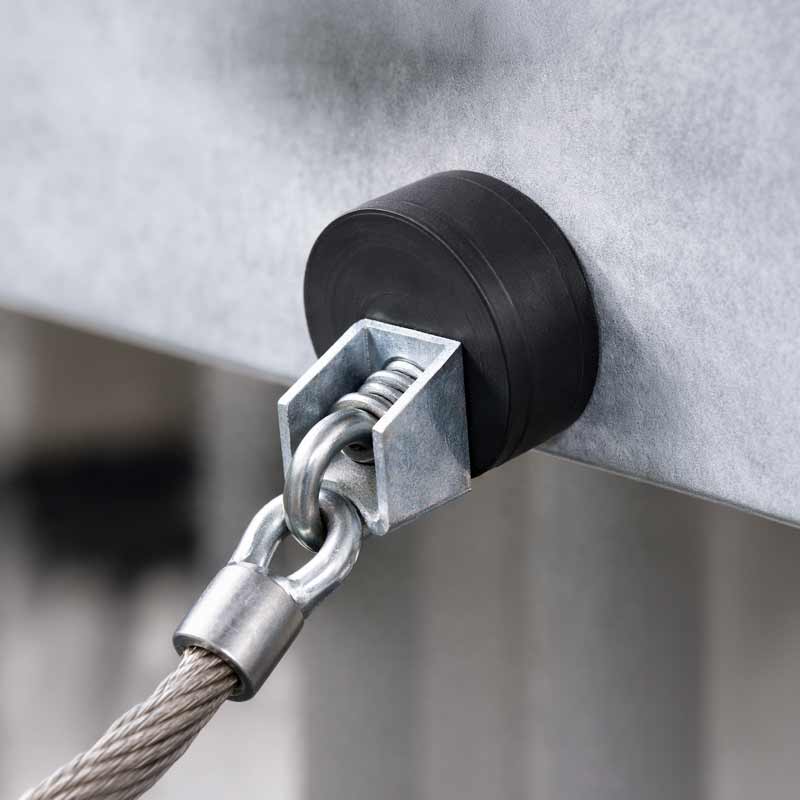
Epoxy, a plastic-like coating, is also a popular method:
+ Provides a better protection against corrosion
+ Withstands moisture and environments where the magnet is exposed to salts and chemicals
+ Provides some shock absorption
- Slightly more expensive method compared to zinc and Ni-Cu-Ni
Zinc is a cheaper coating solution:
+ Cheaper than similar methods
+ Provides good protection against rust
- Less effective in humid environments
For neodymium magnets, coating can be crucial, as they are particularly sensitive to corrosion. In addition to these coatings, there are several others that have different appearances and protective effects, such as gold, rubber, parylene or rilsan. If you would like to know more about the different coatings we offer and their strengths and weaknesses, you can find them on our website.
Are you wondering which coating is best suited to your project, or do you have any other questions regarding your magnet needs? Contact us on +46 8 26 10 80 or [email protected] and we will help you choose the right magnet and coating.